
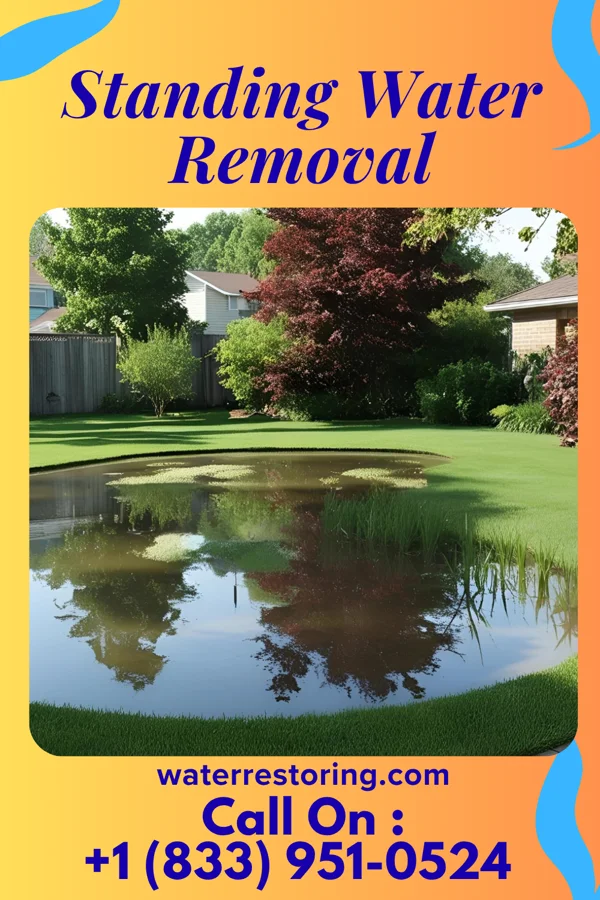
Jackson Standing Water: What Owners Should Know
Residential or commercial, water damage emergencies in Jackson keep coming back to the same drivers. In Jackson, North Carolina, primary water damage often stems from heavy rainfall and flooding due to its location in Northampton County, which is prone to storm surges and river overflow. Additionally, aging infrastructure and drainage issues in rural areas like Lasker and Garysburg contribute to frequent water accumulation in homes and businesses. sits at the top of the list. A close second is Secondary causes include leaking septic tanks in rural neighborhoods, burst pipes during winter freezes, and groundwater seepage in low-lying areas near Seaboard. These issues are exacerbated by the region's humid climate and frequent thunderstorms..
Jackson's humid subtropical climate brings frequent heavy rains and high humidity, increasing the risk of water damage. The area's proximity to the Neuse River and frequent flooding from nearby waterways further heighten the vulnerability of properties to water intrusion.
Water damage in Jackson follows a few local patterns. In Jackson, North Carolina, primary water damage often stems from heavy rainfall and flooding due to its location in Northampton County, which is prone to storm surges and river overflow. Additionally, aging infrastructure and drainage issues in rural areas like Lasker and Garysburg contribute to frequent water accumulation in homes and businesses. accounts for the bulk of our calls. Jackson's humid subtropical climate brings frequent heavy rains and high humidity, increasing the risk of water damage. The area's proximity to the Neuse River and frequent flooding from nearby waterways further heighten the vulnerability of properties to water intrusion. Mold growth in Jackson can occur rapidly due to high humidity and frequent water exposure, especially in older homes with poor ventilation. Prompt water damage restoration is critical to prevent long-term health risks and structural damage.